

East Texas Pineywoods: A Forest Birding Experience

Updated: Oct 19

A Different Side of Texas
When most people think of Texas, images of wide-open prairies, rugged deserts, and expansive skies often come to mind. But in the eastern part of the state, an entirely different landscape awaits. Here, towering pines, hardwood forests, winding creeks, and cypress-lined waterways create a lush environment that feels more like the southeastern United States than the Texas many travelers imagine.
Welcome to the East Texas Pineywoods, a region where birding takes on a different rhythm and some of the state's most distinctive forest birds find their home.
A Forest Unlike the Rest of Texas
Stretching across eastern Texas, the Pineywoods form part of the extensive southeastern pine and hardwood forest ecosystem. Longleaf, loblolly, and shortleaf pines dominate much of the landscape, while hardwood bottomlands, wetlands, and dense understory provide additional habitats. These forests support an extraordinary variety of wildlife, but their importance extends beyond the birds and animals living among the trees.
Open longleaf pine woodlands, maintained historically by frequent natural fires, provide essential habitat for specialized species. Nearby hardwood forests and forested wetlands support an entirely different bird community. This combination of habitats makes the Pineywoods one of Texas' most distinctive birding regions.

Birds that Make the Pineywoods Special
For birders, the East Texas Pineywoods offer opportunities to encounter species that are difficult to find elsewhere in the state.
Red-cockaded Woodpecker. Perhaps the region's most iconic specialty, the Red-cockaded Woodpecker depends on mature, open pine forests. Unlike most woodpeckers, it excavates its nesting cavities in living pine trees, often selecting trees affected by heartwood decay. Its specialized habitat requirements make the preservation and management of mature pine forests especially important.
Bachman's Sparrow & Brown-headed Nuthatch. The quiet, grassy understory of open pine woodlands provides habitat for Bachman's Sparrow, a bird more often detected by its distinctive song than by sight. Brown-headed Nuthatch is another characteristic species of southeastern pine forests. These small, energetic birds move through pine branches, often announcing their presence with high-pitched, squeaky calls.
Bachman's Sparrow ©Greg Lasley Brown-headed Nuthatch ©Oscar Carmona
Warblers of the Pineywoods. The region's diverse forest habitats also support a wonderful variety of warblers. Pine Warblers are closely associated with mature pine forests, while Prairie Warblers favor more open, shrubby habitats. Swainson's Warblers inhabit dense, moist understory, where their secretive behavior can make them especially challenging to observe.
Kentucky, Hooded, Yellow-throated, and Prothonotary Warblers add to the region's appeal during the breeding season, each favoring different woodland and wetland habitats.
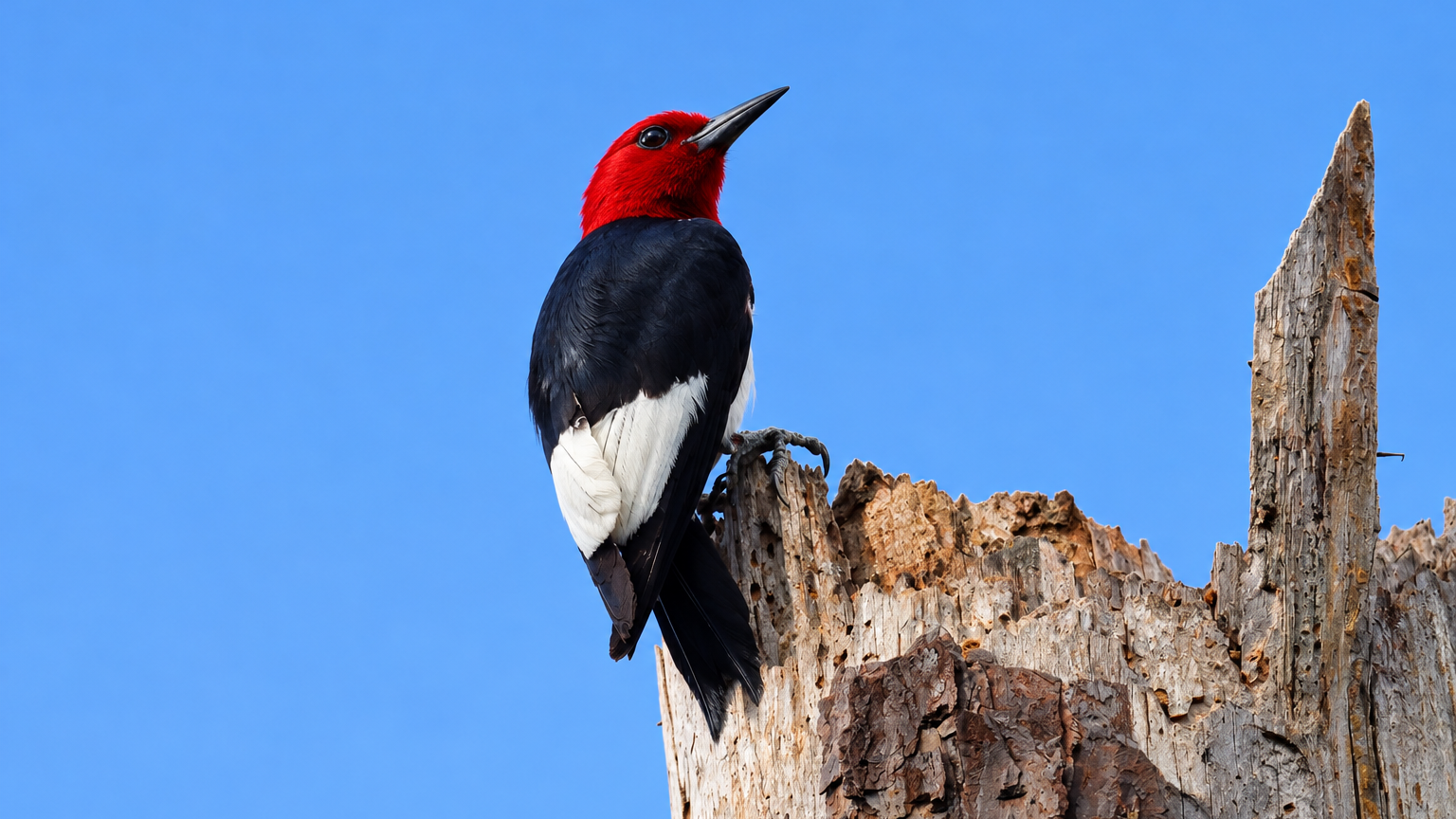
Pileated & Red-headed Woodpeckers. These woodpeckers are among the most charismatic residents of the region’s mature forests. The unmistakable calls and powerful drumming of Pileated Woodpeckers often announce their presence long before the birds themselves come into view, echoing through the woods with a resonance that feels timeless. Red‑headed Woodpeckers, with their striking crimson heads and bold black‑and‑white patterning, bring flashes of color to open woodlands and forest edges, where their acrobatic foraging is always a highlight.
Where to Go Birding in the East Texas Pineywoods
The Pineywoods cover a large portion of eastern Texas, with numerous forests, preserves, and wildlife areas offering opportunities to explore.

Big Thicket National Preserve. One of the region's best-known natural areas, Big Thicket National Preserve protects an extraordinary collection of habitats, including pine savannas, hardwood forests, wetlands, and cypress-lined waterways. The Sundew Trail offers opportunities to explore longleaf pine savanna habitat, while the Kirby Nature Trail winds through hardwood and pine forests, cypress sloughs, and riparian areas. Each trail provides a different perspective on the region's birdlife.
State and National Forests. Each location offers some of the most extensive and ecologically rich woodland habitats in the state. The Angelina, Sabine, Davy Crockett, and Sam Houston National Forests—along with the W.G. Jones State Forest, protect large tracts of mature pine stands, mixed hardwood–pine woodlands, and bottomland forests that support a wide array of characteristic East Texas species.
Each forest has its own blend of habitats, from longleaf and loblolly pine uplands to quiet creek bottoms lined with hardwoods, giving birders the chance to explore a remarkable diversity of landscapes. For those interested in Red‑cockaded Woodpeckers and other pine‑forest specialists, these managed pine ecosystems are especially important. Carefully maintained stands with open, park‑like understories provide the conditions these birds require, making the East Texas forests some of the best places in the state to observe them.
When to Visit the Pineywoods
The East Texas Pineywoods offer birding opportunities throughout the year, but each season brings a different experience.
Spring: One of the most rewarding times to visit, when breeding birds become increasingly vocal and returning migrants fill the forests with song. Bachman's Sparrow, Swainson's Warbler, and other woodland specialties are particularly appealing during this season.
Summer: The forests remain active with breeding birds, including woodpeckers, warblers, and other southeastern specialties. Early mornings are generally most comfortable before the heat and humidity increase.
Fall: Migrating songbirds move through the region, offering opportunities to encounter a changing variety of warblers, vireos, and other woodland migrants.
Winter: The forests become quieter, but resident species remain, and wintering birds bring additional opportunities for exploration. Cooler temperatures can make woodland walks particularly pleasant.
The Art of Forest Birding
Birding in the Pineywoods is quite different from scanning open grasslands or desert landscapes. Dense vegetation, tall trees, and shaded understory can make birds difficult to locate, even when they are nearby. Often, the first indication of a bird's presence is its song or call rather than a glimpse of movement. Patience, careful listening, and an understanding of habitat are especially valuable here.
A singing warbler hidden deep in the understory, the distant drumming of a woodpecker, or the unmistakable call of a Brown-headed Nuthatch can transform an otherwise quiet walk through the forest into a memorable birding experience. It's a place that encourages birders to slow down, listen, and appreciate the subtle details of the natural world.
Explore the East Texas Pineywoods With Us
The Pineywoods reveal a side of Texas that many visitors never expect to find. From towering pine forests and shaded woodland trails to the distinctive birds that inhabit them, this region offers a rewarding experience for anyone who enjoys exploring nature.
Stay Connected! Join Birding Texas & Beyond for inspiring birding destinations, trip reports, seaonal birding insights, new tour announcements, and stories from the field.


